Comparisons
Side by side, based on facts with sources, not a wall of text.
Any two cities in the Atlas. The verdict and figures are computed from facts.
Key trade-offs

 Esquel vs El BolsónThe two cheapest markets of those we checked: dry Esquel with its zonal hospital against green, humid El Bolsón with the cheapest rent.
 Esquel vs BarilocheThe main fork in the road for a family living outside a city: a dry anchor town in Chubut against the best-equipped town in the Lake District. The difference is in price, winter humidity and the level of healthcare.
 Bariloche vs El BolsónA town with infrastructure against a valley with quiet. Both are about nature and cool weather; the difference is in scale, prices, healthcare and fire risk.
 San Martín de los Andes vs Junín de los AndesA lakeside resort against its dry satellite 40 km away: the same fibre optic and a shared airport, a third of the rainfall and different prices.
 Buenos Aires vs MontevideoTwo capitals on opposite banks of the same river. Buenos Aires is cheaper for groceries and stronger in healthcare and schools; Montevideo is calmer and more predictable, but rent and food there cost more.
 Buenos Aires vs SantiagoThe cheapest metropolis in the region against the most stable one. In Argentina it is easier to enter on paperwork and cheaper to live; in Chile salaries are higher and healthcare is stronger, but in winter smog sits in the valley.
 Buenos Aires vs Mexico CityTwo of the largest cities in the region with different logic for moving. Buenos Aires is through documents and citizenship, Mexico City is through proximity to the US and a big market; compare housing prices, healthcare, and what to expect with the air and earthquakes.
 Buenos Aires vs Rio de JaneiroTwo cities for families who move for a child's documents: Argentine citizenship by birth against Brazilian residency through a child. Different languages, different climates and different safety by neighbourhood.
 Montevideo vs AsunciónTwo countries people most often go to for documents. Paraguay is cheaper and grants residency faster; Uruguay is more expensive, but with connectivity, healthcare and a mild climate instead of forty-degree heat.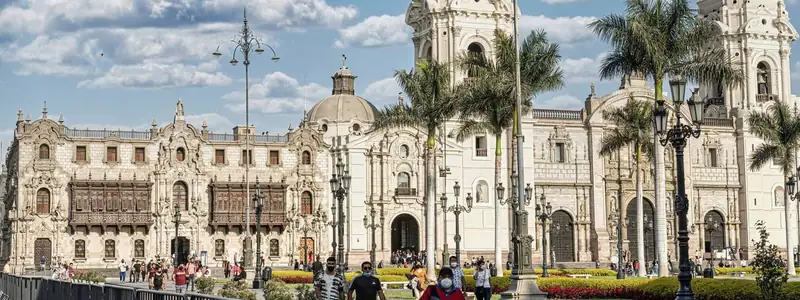
 Lima vs BogotáTwo Andean capitals with different characters. Lima, on the ocean coast: grey skies in winter and seismic risk, but cheaper; Bogotá, at an altitude of 2,600 metres: cool all year round and strong clinics, but safety depends heavily on the neighbourhood.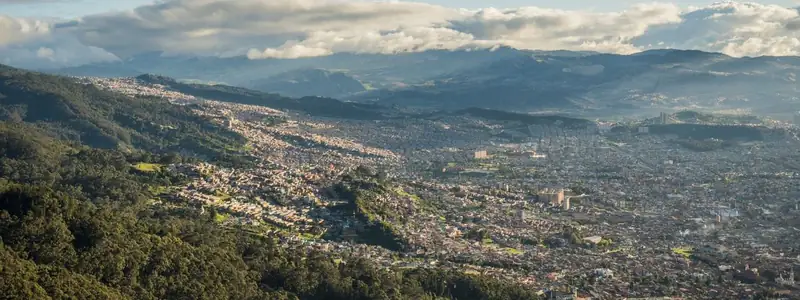
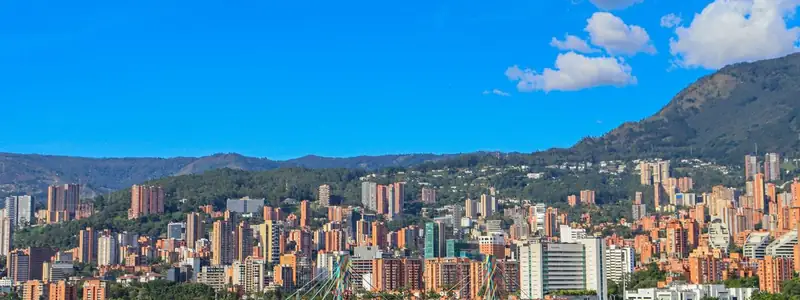 Bogotá vs MedellínThe capital against the city of eternal spring within one country. A shared nomad visa and a shared estrato system (classes of blocks by income), but different climate, size and prices; Medellín is warmer and more convenient for remote workers, Bogotá is larger and stronger in healthcare.